
Published on 02/04/2025
Our 4 learnings from the Nvidia GTC Conference 2025
Topics
- Insights

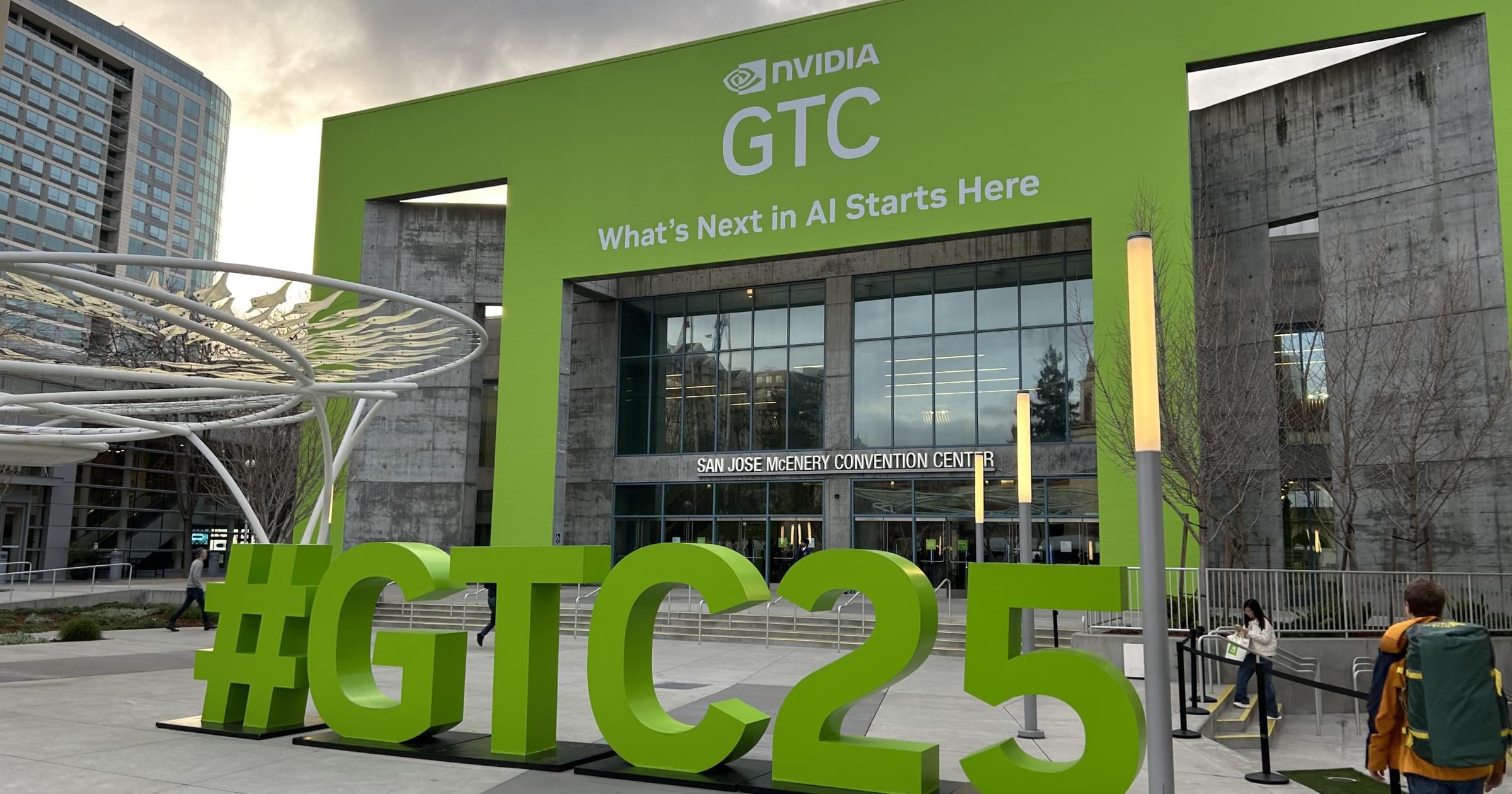
She's one of the most important conferences for artificial intelligence and related technologies: the NVIDIA GTC conference in San Jose, California – and Netural was there. In this article, we share our 4 most exciting insights and learnings.
1. Agentic AI
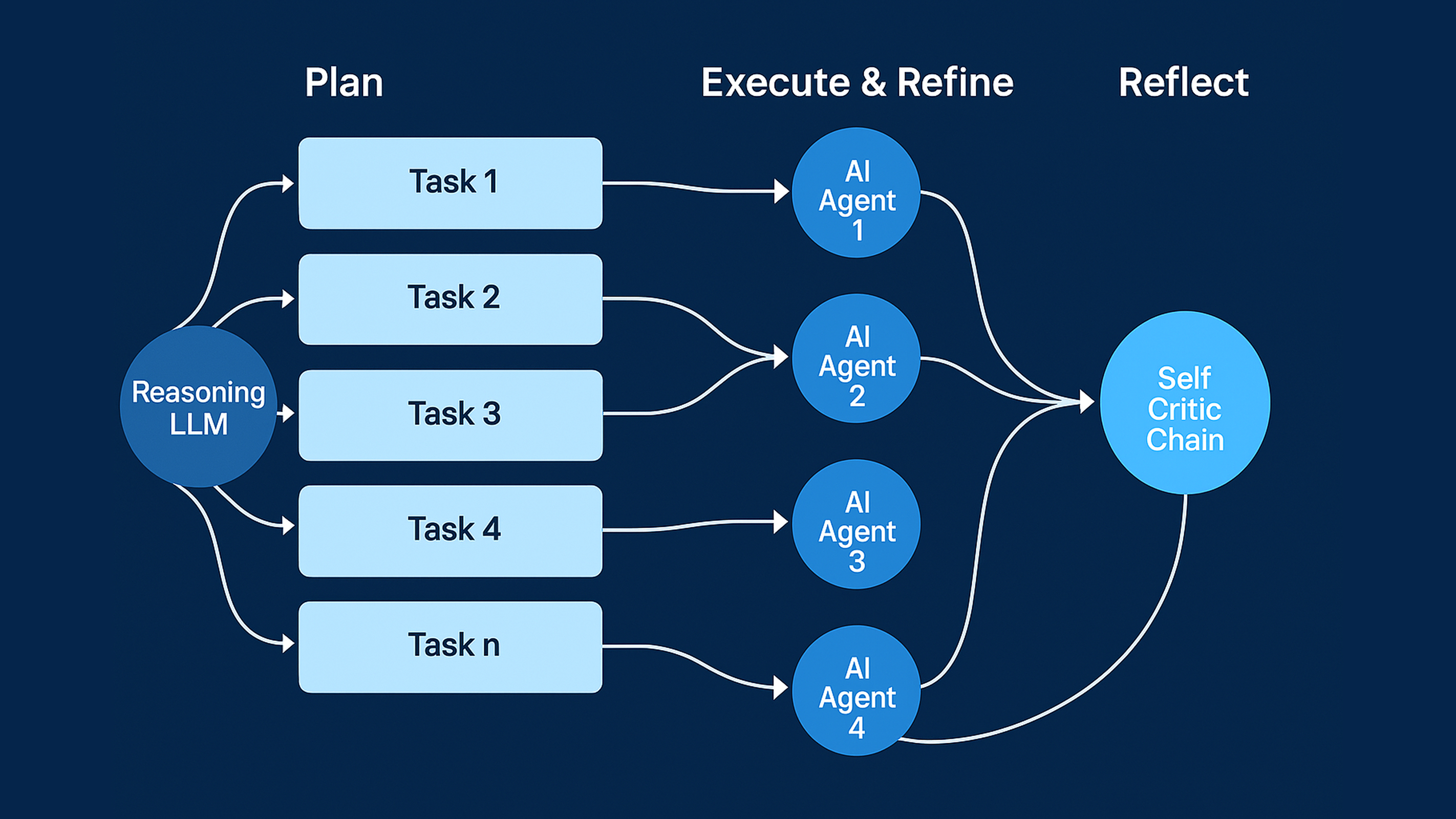
"The era of agentic AI has begun," says Martin Obermayr, Director of Strategy & Consulting at Netural. "The technology enables AI systems to analyze requests, develop multi-stage plans – and execute them via specialized AI agents. The results are then continuously reviewed and refined." Retrieval Augmented Generation (RAG) and the Data Flywheel concept play a critical role in this context as they further increase accuracy and drive the improvement of these systems.

Agentic AI has enormous potential in many business areas and industries.
Customer service: AI agents can handle complex requests autonomously, offer personalized solutions, and help to prevent escalations.
Project management: Tasks can be planned, resources allocated and progress monitored using AI agents.
Logistics: Agents can optimize supply chains, plan routes, and respond to unforeseen events.
Financial sector: The technology can assist with fraud detection, risk assessment, and automated report generation.
Production: AI agents can plan maintenance work, perform quality controls and optimize production processes.
Our learning #1: Agentic AI has the potential to increase efficiency, reduce costs, and enable innovative services.
2. (Robotic) World Understanding with Vision Language Models (VLMs)
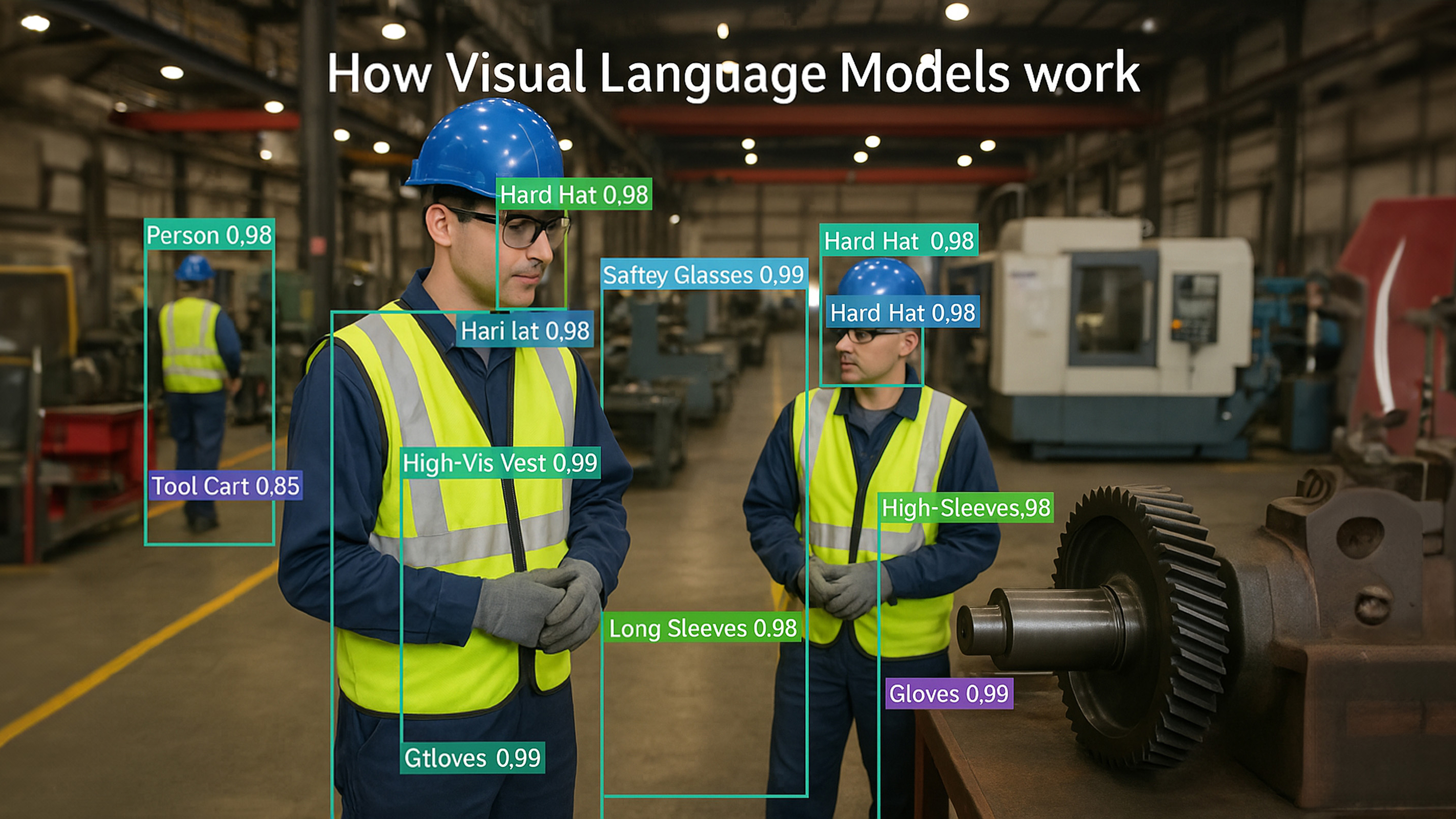
"Another key aspect of the GTC was the improved understanding of the world through AI, especially through VLMs," says Martin Obermayr. AI is increasingly understanding the world – visually and linguistically. VLMs take computer vision to a new level, enabling AI systems and robots to interpret their environments with significantly greater precision. While training previously required immense amounts of data, VLMs now enable learning with significantly less input. This opens up fascinating possibilities for applications that rely on the combination of visual and linguistic information to grasp and respond to complex situations.

Potential areas of application for VLMs:
Safety: VLMs can be used to monitor compliance with safety measures (e.g. wearing protective equipment) in factories and warehouses.
Detection: VLMs help detect incidents and malfunctions in industrial plants – from objects that disrupt a plant’s conveyor system to items that have fallen from a storage rack.
Accessibility: VLMs can create alternative text descriptions for images, thus enabling accessible integration of images on the web.
Marketing: VLMs can describe the content of an image or automatically generate content (e.g. social media posts).
Our learning #2: Vision Language Models are an important tool for solving complex visual and linguistic tasks.
3. Digital Twins and Physical AI
Two other important topics discussed at the Nvidia GTC conference were digital twins and physical AI. Both technologies are no longer a thing of the future – they are already being used in many industries.
Digital twins: 3D-based simulations of products, machines and processes that can be mapped and analyzed in real time using AI.
Physical AI: Goes a step further and combines AI with physical models and real-world sensor data. This enables more accurate predictions, real-time simulations, and the generation of synthetic training data.
Our learning #3: Digital twins and physical AI are revolutionizing simulation. The opportunities for process optimization and increased efficiency are immense.
4. Data-driven corporate management
Another clear message from the Nvidia GTC conference: Data-driven decisions will be essential in the future, and tools that enable data to be questioned, analyzed, and summarized in natural language will become increasingly important.
The focus of data-driven corporate management should be on:
linking data from different sources
promoting data literacy in all teams
the establishment of solid data governance
Our learning #4: Data and AI are becoming the standard for making informed decisions and identifying optimization potential.
An example of natural language data querying: Amazon Quicksight with Q
Our conclusion
The NVIDIA GTC impressively showed us how rapidly the field of artificial intelligence is developing and the diverse opportunities that arise for companies that adapt these technologies early on.
“At Netural, we continuously incorporate these innovation topics into our projects and are already supporting numerous customers in optimally leveraging the potential of Agentic AI, Digital Twins, and data-driven decisions,” says Albert Ortig, CEO of Netural.
Interested in learning how these technologies can advance your business? Contact us to learn more about our comprehensive range of services.