Published on 01/05/2026
Looking back at the Netural AI Symposium | Part 3 of 3
Topics
- Events
- Insights

In the third and final instalment of our series on the Netural AI Symposium, we turn to what AI means in practice. Dominik Angerer examines the role AI plays in marketing today, whilst Claudia Wintersteiger and Philip Ginthör discuss what organisations must do to master the AI transformation.
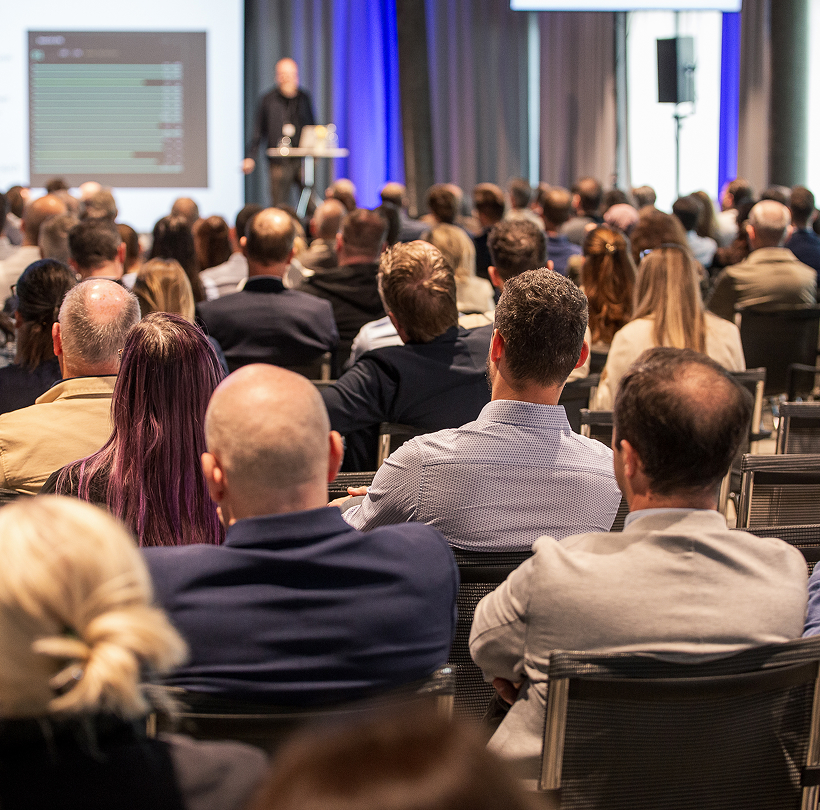
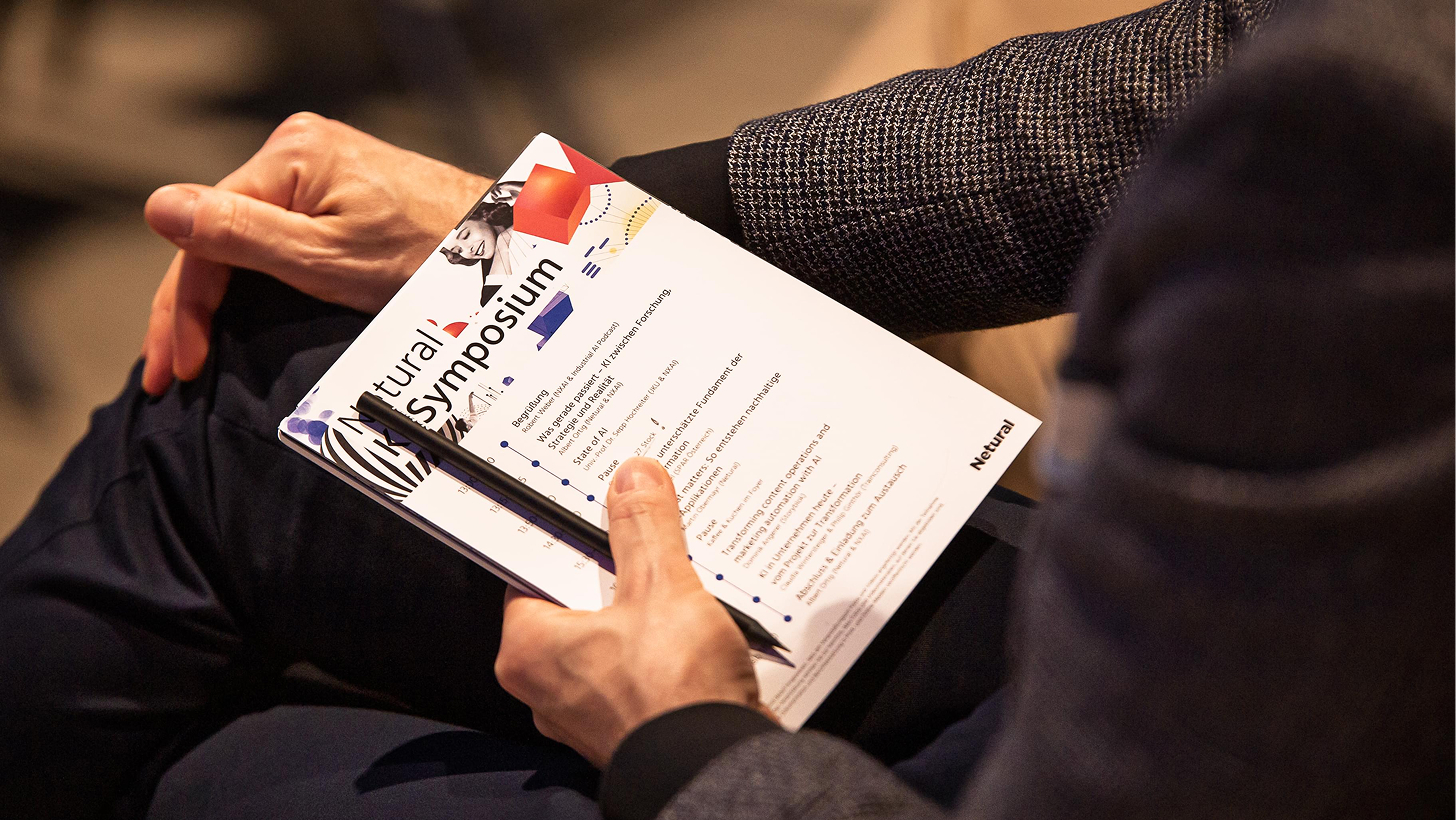
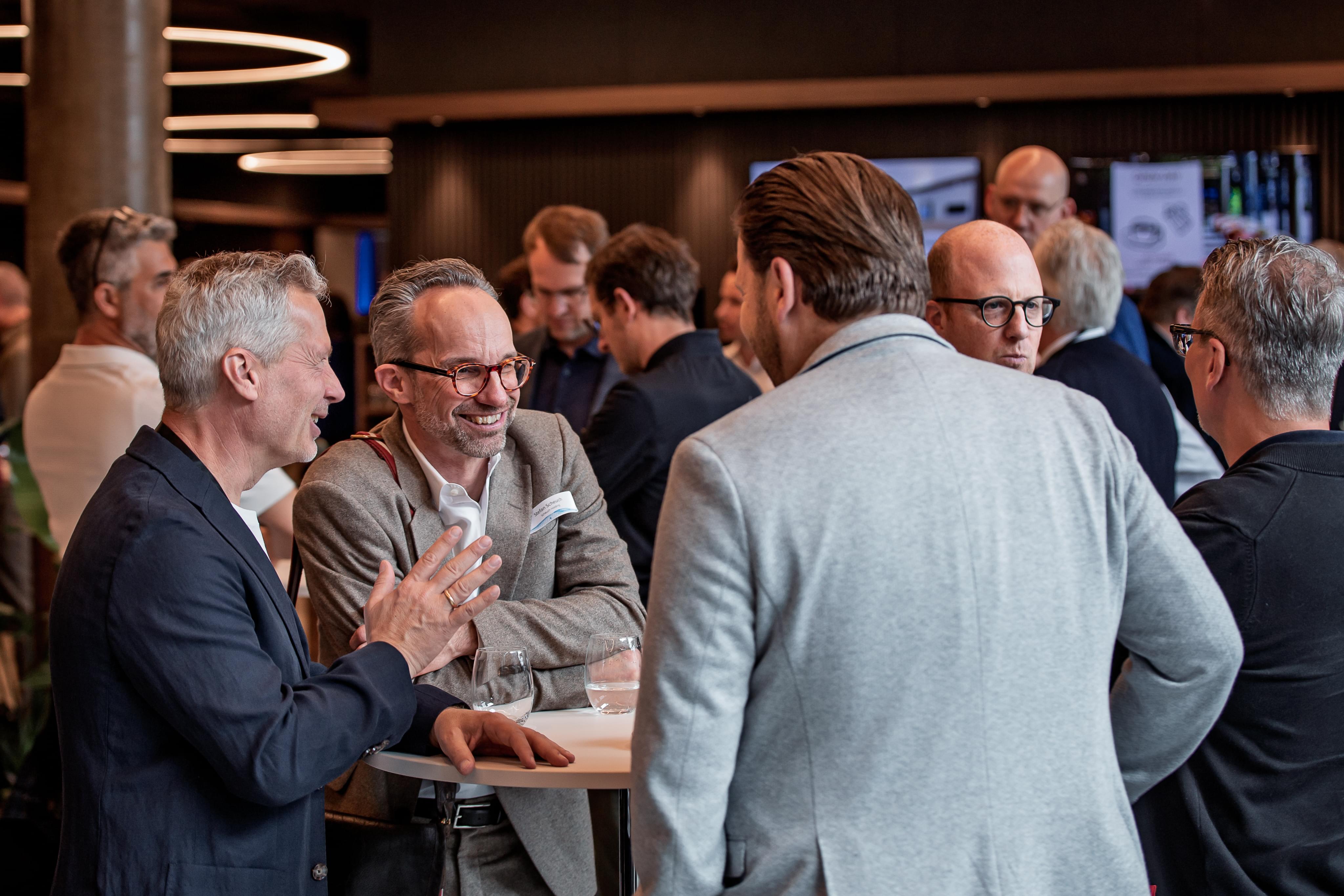
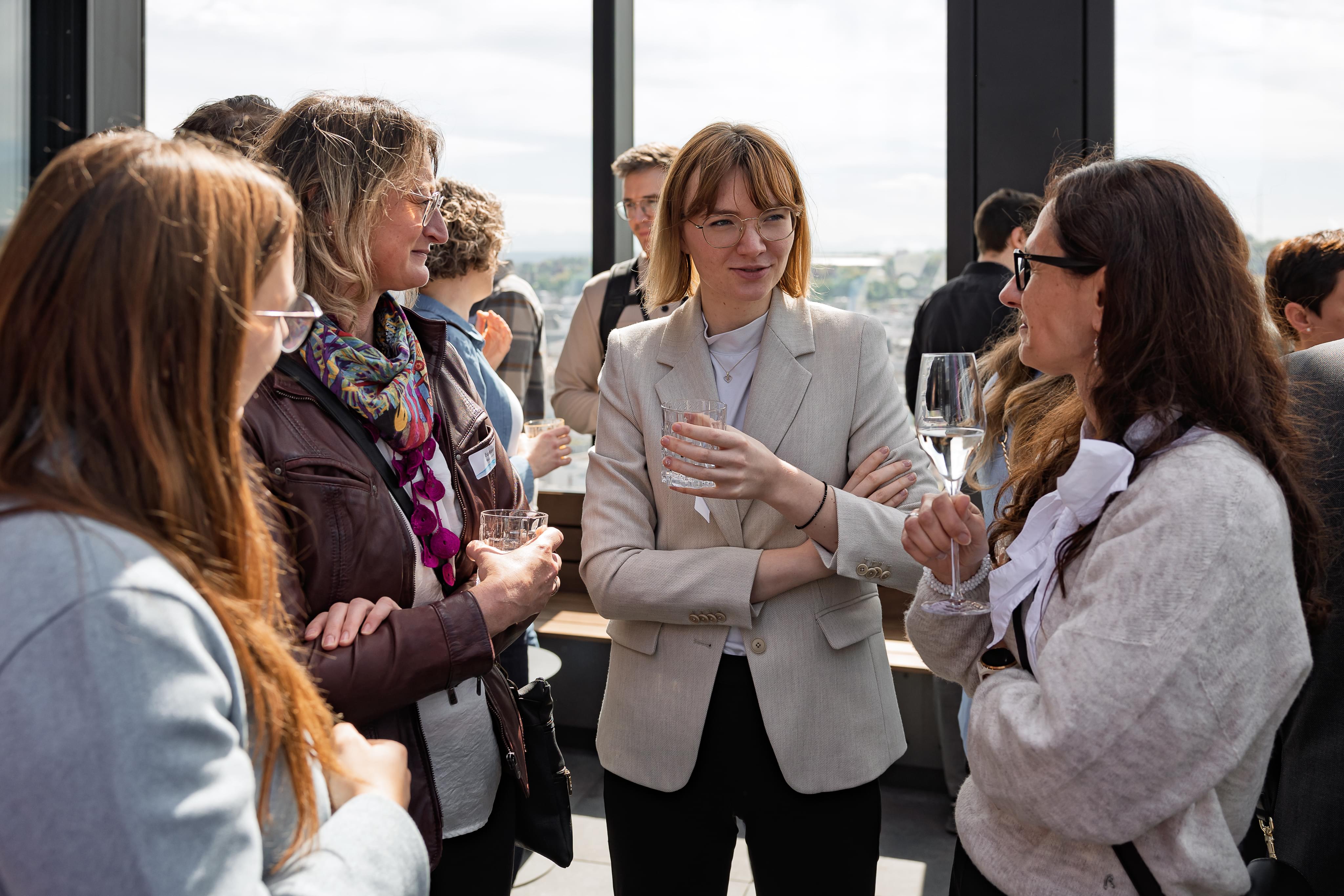
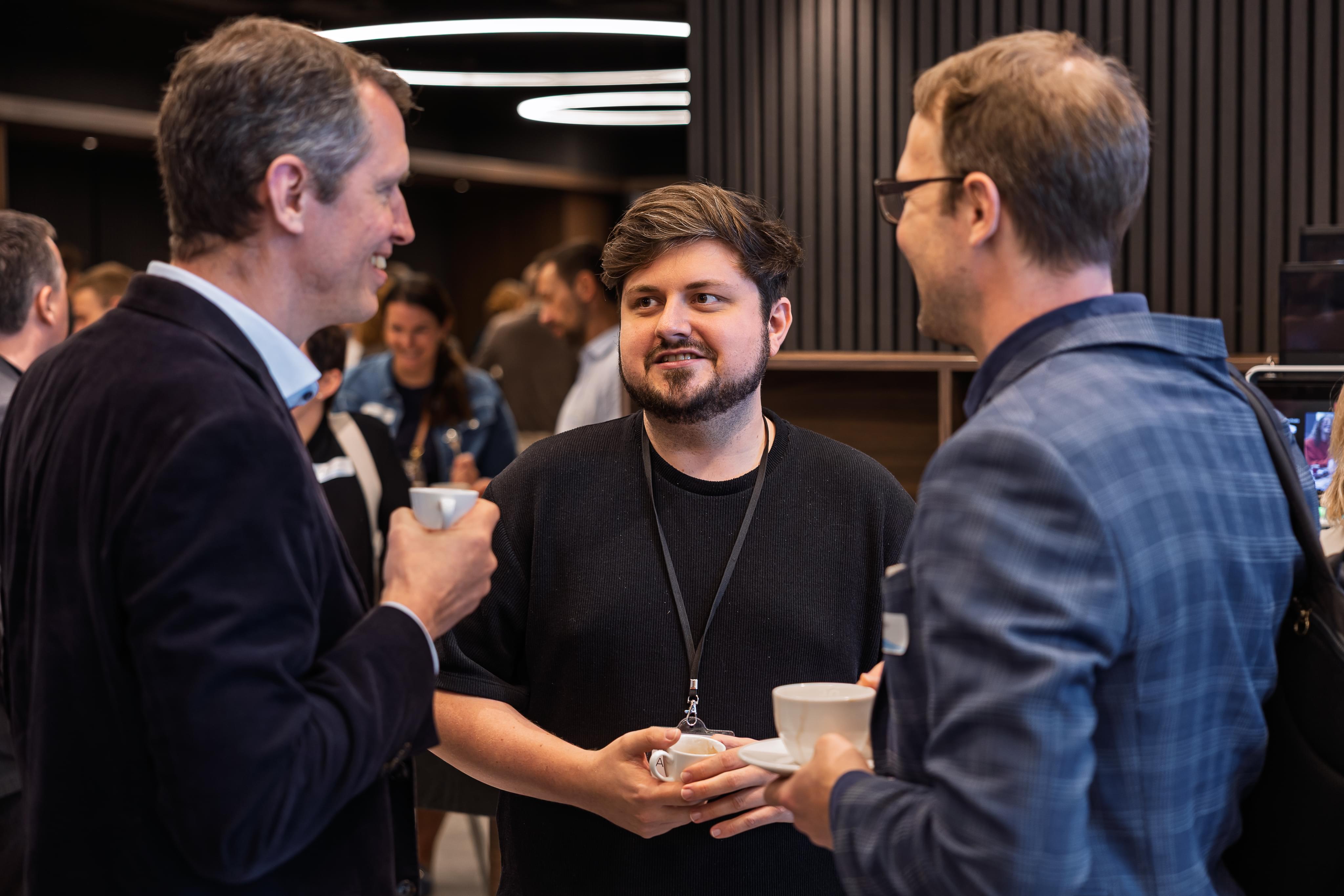
Before we get to our recap of the two talks though, here are a few impressions from the event beyond the stage:



Transforming content operations and
marketing automation with AI | Dominik Angerer
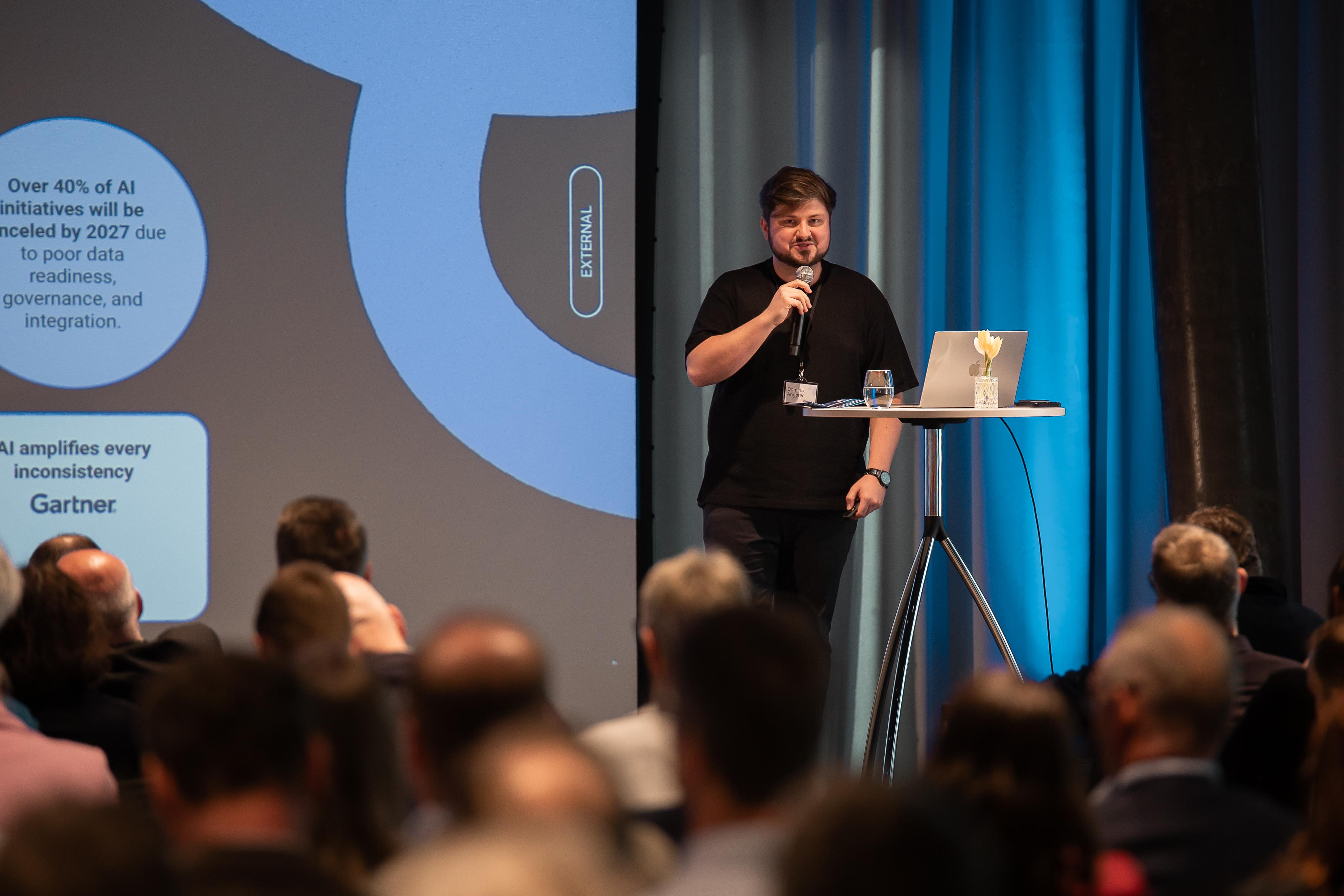
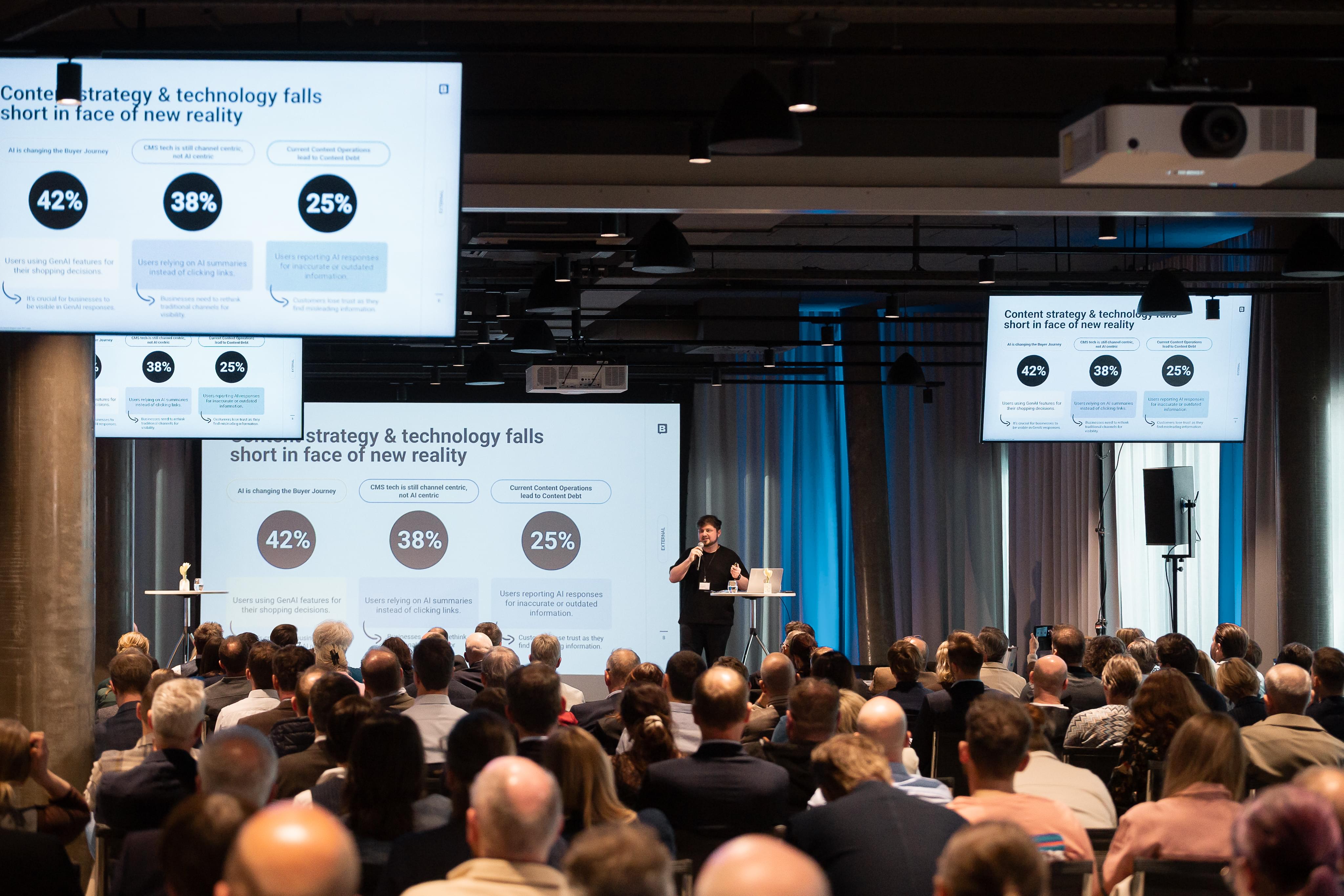
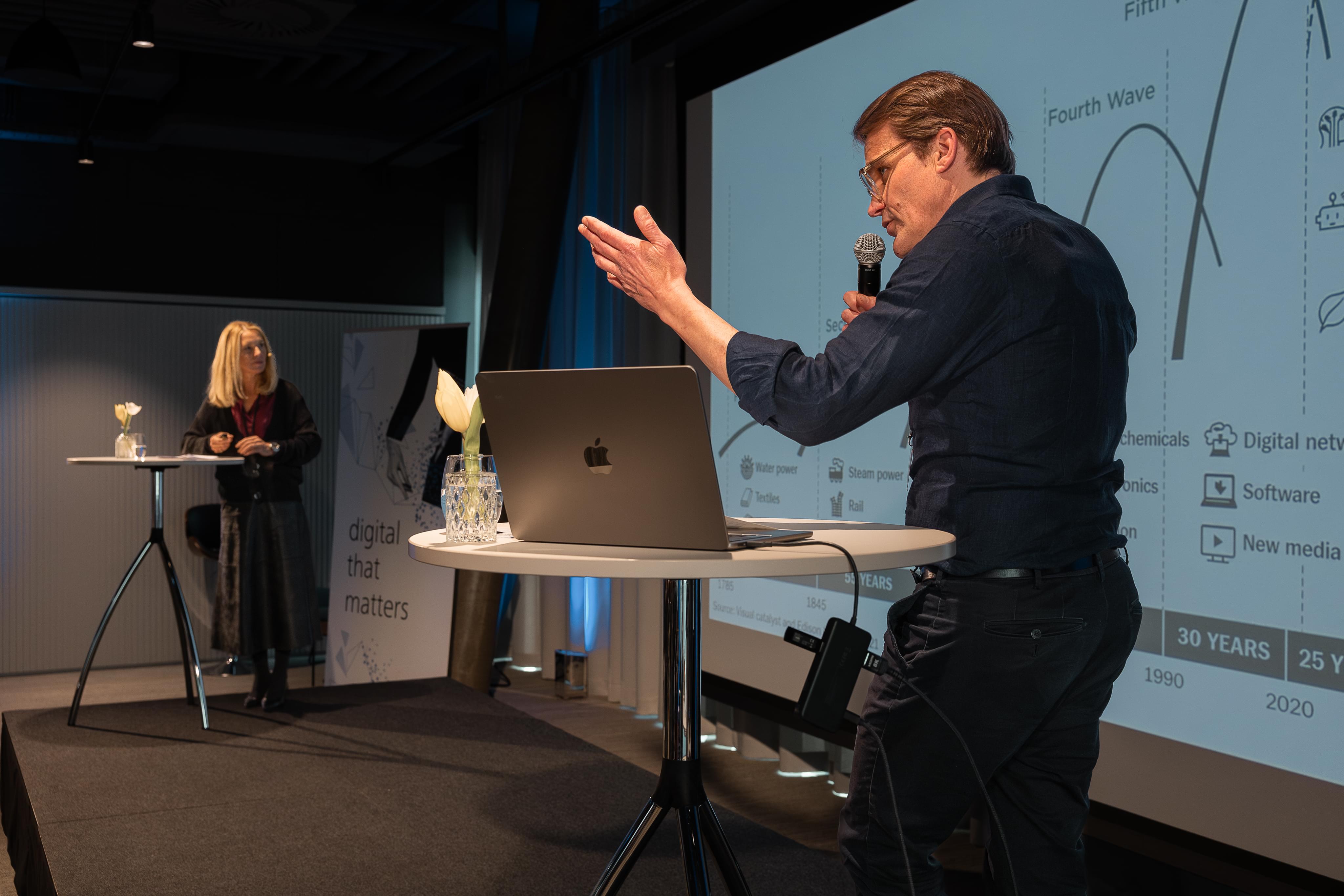
Dominik Angerer, CEO and Founder of Storyblok, focused less on AI models but rather on what AI means for marketing and content management. Today, 38% of Google searches result in zero clicks – meaning, users find their answer directly in the AI Overview. Purchasing decisions, too, now begin with ChatGPT & Co. in 42% of cases, even in B2B.
(Note: Here you can find our tipps on how to increase your brand's visibility in ChatGPT & Co.)
The implication is clear: organisations that fail to appear in AI-generated responses lose out. Those that appear with outdated, inaccurate, or fragmented content lose out even more decisively. The latter is referred to by Dominik Angerer as "content debt." One dimension of this debt is "rotting content" – material that was produced and then forgotten: a 2016 article that has long since been superseded yet still ranks; a PDF describing a product version that no longer exists. The particular concern here is that LLMs from Google and others have already been trained on this legacy content – and that cannot be undone.
Further dimensions of content debt are fragmentation and vendor lock-ins. Individual teams document, store, and manage content in isolation, building silos that go unnoticed – until AI systems draw on precisely this fragmented, contradictory material as their source of truth. And where the systems involved offer no open APIs, AI integration becomes impossible from the outset.
Dominik Angerer's recommendations* for tackling content debt are straightforward: delete, consolidate, and make accessible via APIs. Outdated content should be archived or removed – not all at once, but consistently and step by step. Systems and teams must be brought together. Where that cannot be managed internally, external support is the answer. A useful rule of thumb: if a system cannot expose everything available in its UI through an API, look elsewhere.
Once these foundations are in place, marketing automation makes genuine sense – from automated translation and AI-driven tagging through to workflow triggers and CMO reporting. It must be said explicitly, however: not everything needs to be automated or solved with AI.
*A detailed checklist is available in the video recording.
AI in business today – From project to transformation | Claudia Wintersteiger & Philip Ginthör
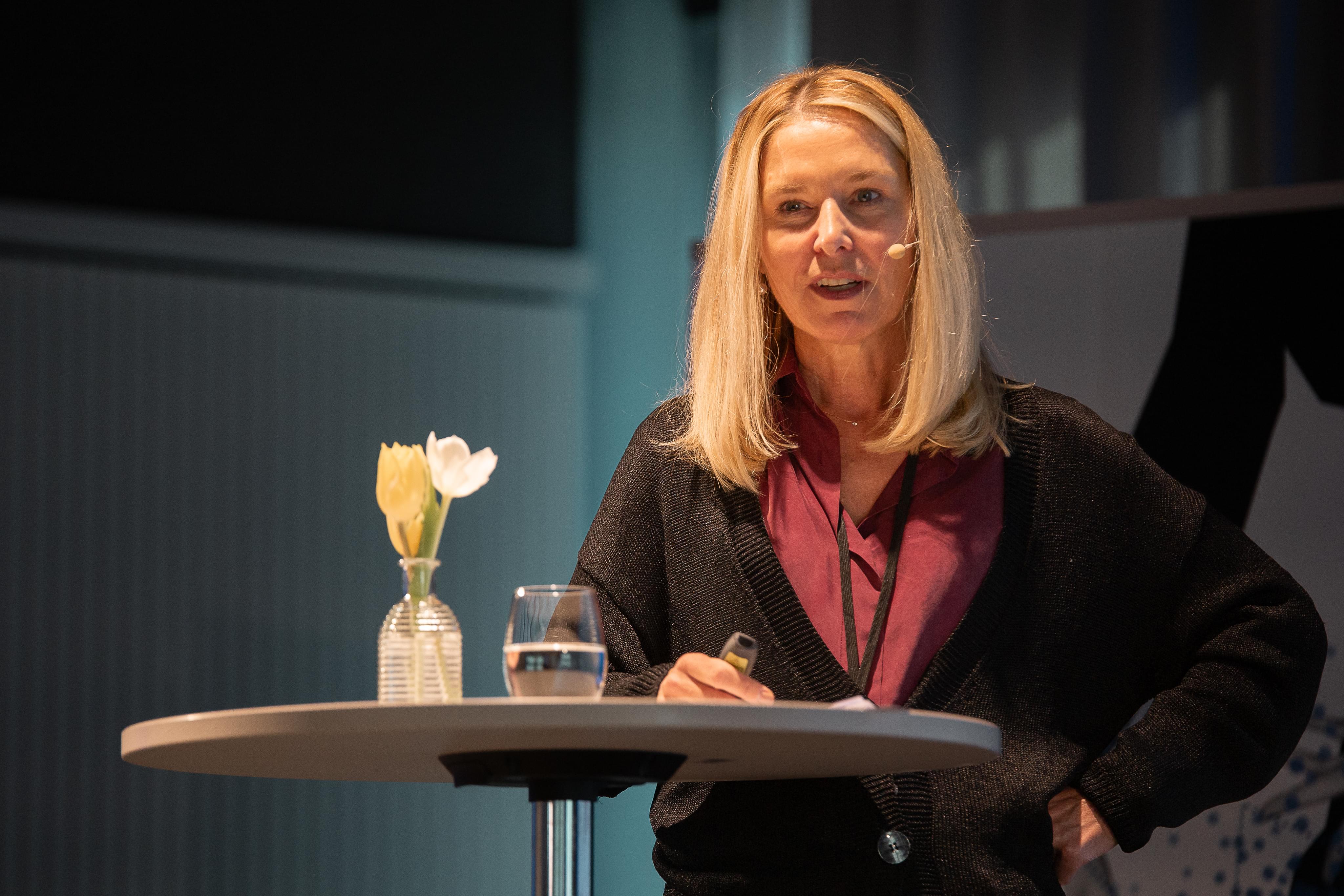
The closing session was led by Claudia Wintersteiger and Philip E. Ginthör of Trainconsulting, who had spent the weeks preceding the Symposium conducting in-depth interviews with organisations across the market and arrived with their key findings in hand.
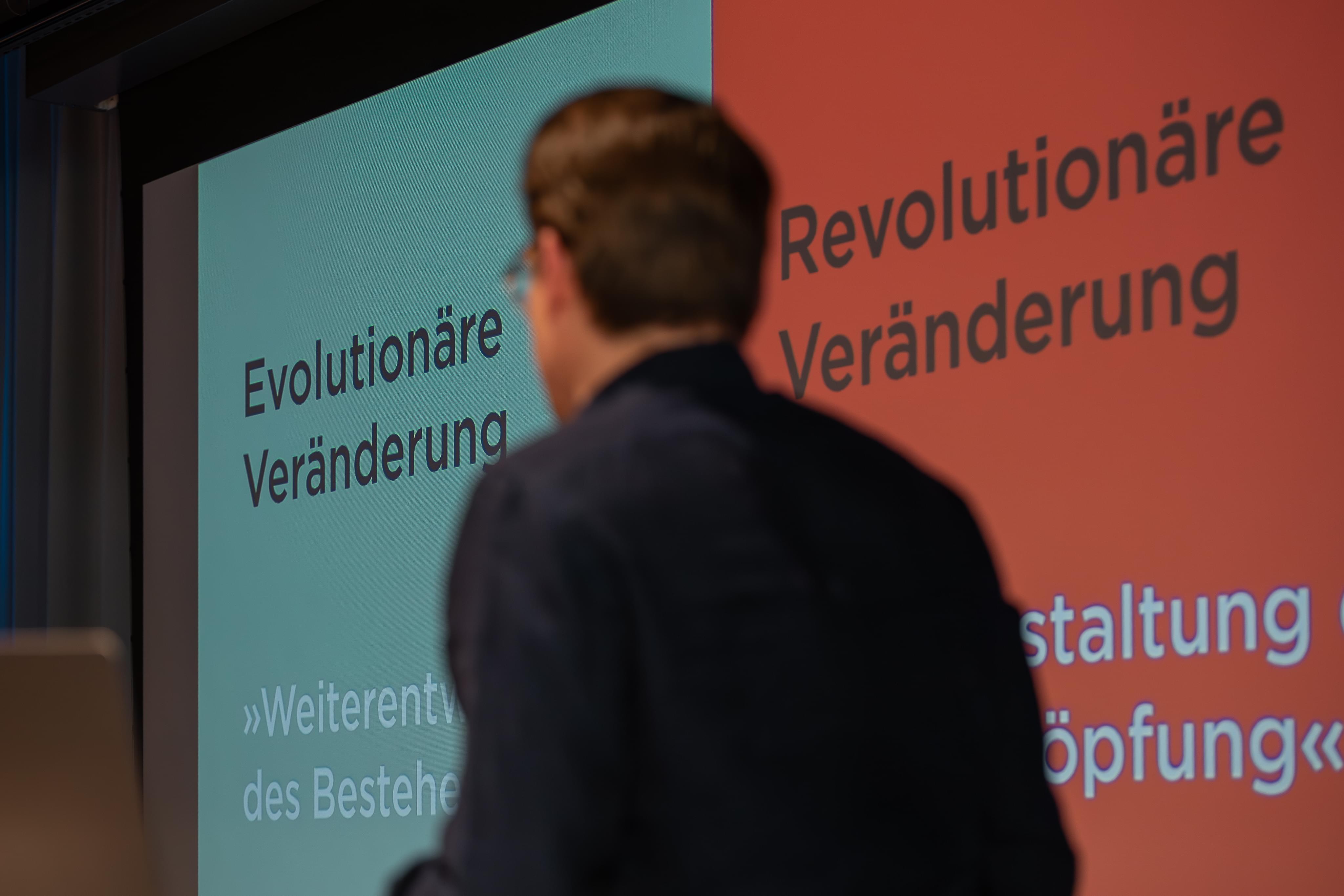
Their opening message was unequivocal: what we are dealing with here is a revolutionary shift, not an evolutionary one. When the industry moved from CD to streaming, organisations had fifteen years to learn as they went. Today, comparable transformations unfold in months. That also means AI strategies age poorly – what sounded forward-looking yesterday may already be obsolete today.
Yet the pace of technological change is not the only challenge. Internal "kingdoms" and misplaced expectations are also complicating AI transformation. For instance, when different business units refuse to share data, the obstacle is rarely technical. It is that sharing creates transparency – and transparency costs power.
At the same time, the expectation (or story) of generating significantly more revenue with the same team is, according to Wintersteiger, a myth. Organisations need data analysts, AI engineers, and entirely new roles. At the same time, highly specialised experts are reaching retirement age. The workforce needs change! And so does leadership. Leading in the future will no longer mean being the most knowledgeable person in the room. It will mean building trust, holding steady in the face of uncertainty, and providing direction.
Based on these real-life insights, Claudia Wintersteiger and Philip Ginthör offered the following recommendations to our Symposium attendees:
Establish a steering team: AI is not a task to be delegated to the CTO alone. Transformation requires political capital, relationship capital, and domain expertise – people who are well connected and trusted across the organisation.
Bring the organisation along from the outset: Transformation needs space for dialogue, genuine collaboration and shared success because people support what they have helped to create.
Redesign processes and organisational structures: AI calls for new processes, frameworks, roles, meetings and accountabilities. These need to be installed fast and in such a form that they reflect the future state the organisation wants to achieve. Organisations that want fewer silos tomorrow must form cross-functional teams now. Those aspiring to human-machine collaboration must create the conditions for experimentation today.
Articulate both the urgency and the vision: This requires an honest, uncomfortable look at the present ("why things cannot continue as they are") and an inspiring picture of the future ("where we are heading"). The tension between the two creates a clear narrative – a story that moves people to act.
If you have questions about implementing AI solutions within your organisation, or would like to identify where to focus strategically first, book a consultation today.
The full event – every talk, every discussion – is available in our video documentation.